
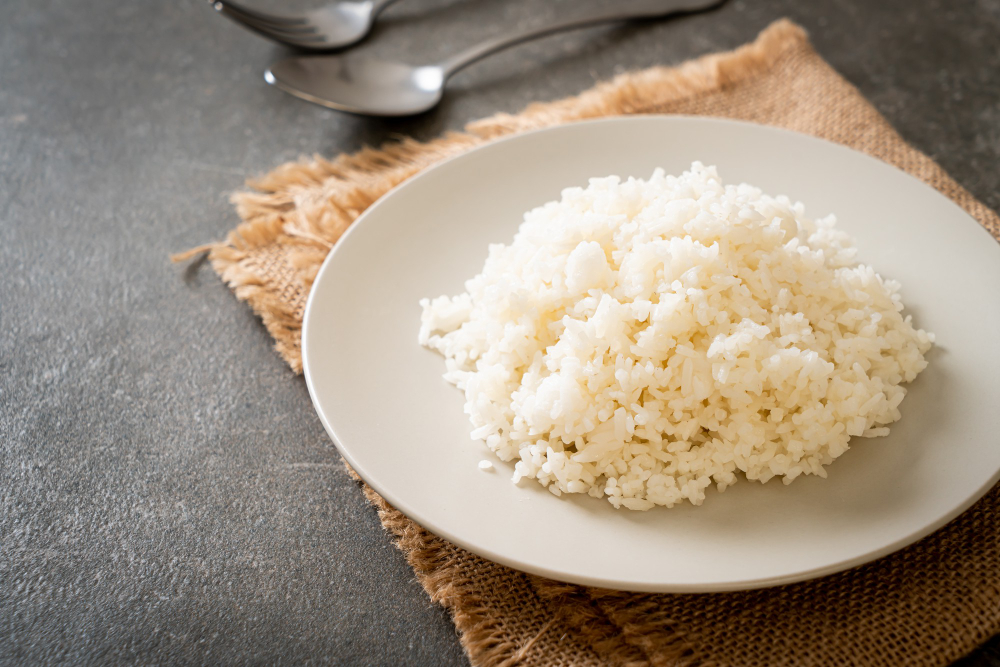
For many Filipinos, rice is often the first food blamed for weight gain, diabetes, or high blood sugar. It is common advice to “remove rice completely” when trying to eat healthier. The problem is that this advice oversimplifies nutrition and often creates unnecessary fear around a staple food.
Rice itself is not the enemy. How much you eat, how it is prepared, and what you eat it with matter far more.
Why rice gets a bad reputation
Rice is a carbohydrate, and carbohydrates raise blood sugar. This is true. What is often ignored is that all carbohydrates behave differently depending on context. Blood sugar response is influenced by portion size, fiber, protein, fat, cooking method, and even how fast you eat.
Large portions of refined rice eaten alone, especially with sugary or fatty sauces, can cause blood sugar spikes. That does not mean rice automatically leads to weight gain or diabetes.
Portion size matters more than elimination
One of the most common issues seen by dietitians is portion distortion. A healthy serving of rice is usually much smaller than what ends up on the plate.
Eating rice mindfully means:
- Measuring portions instead of estimating
- Balancing rice with vegetables and protein
- Avoiding second servings out of habit
For many people, reducing rice portions is more sustainable and effective than removing rice entirely.
Preparation changes how rice affects blood sugar
How rice is cooked and served plays a big role in how it affects the body.
Simple adjustments can help:
- Pair rice with vegetables, lean protein, and healthy fats to slow digestion
- Avoid sugary sauces or heavily processed toppings
- Allow cooked rice to cool slightly before reheating, which can lower its glycemic impact for some people
These small changes can make rice easier to manage for people with diabetes or insulin resistance.
White rice vs brown rice
Brown rice contains more fiber, which can help slow down blood sugar rise. However, this does not automatically make it the best choice for everyone.
Some individuals, especially older adults or those with digestive issues, may tolerate white rice better. In therapeutic nutrition, the “healthiest” option depends on the person, not the label on the food.
Rice in diabetic and therapeutic diets
Rice can still be part of a diabetic or medically supervised meal plan when:
- Portions are controlled
- Meals are evenly spaced throughout the day
- Rice is combined with fiber-rich vegetables and protein
- Blood sugar response is monitored
This is why personalized nutrition planning is important. What works for one person may not work for another.
The real takeaway
Rice is not the cause of poor health on its own. Overeating, poor balance, and lack of guidance are the real issues.
A well-planned meal that includes rice can still support:
- Blood sugar control
- Weight management
- Long-term dietary adherence
Instead of fearing rice, the better approach is learning how to eat it properly, with the right portions and the right combinations.
For individuals managing diabetes, recovery, or other medical conditions, working with a Registered Nutritionist Dietitian ensures that staple foods like rice are included safely and realistically, not removed blindly.
Healthy eating should support daily life, not fight against it.