
Tube feeding is often seen as a last resort or a simple solution to ensure someone is “getting enough food.” In reality, tube feeding is a medical nutrition intervention that requires careful planning, monitoring, and professional oversight.
Calories alone are not enough.
Tube feeding is not just blended food
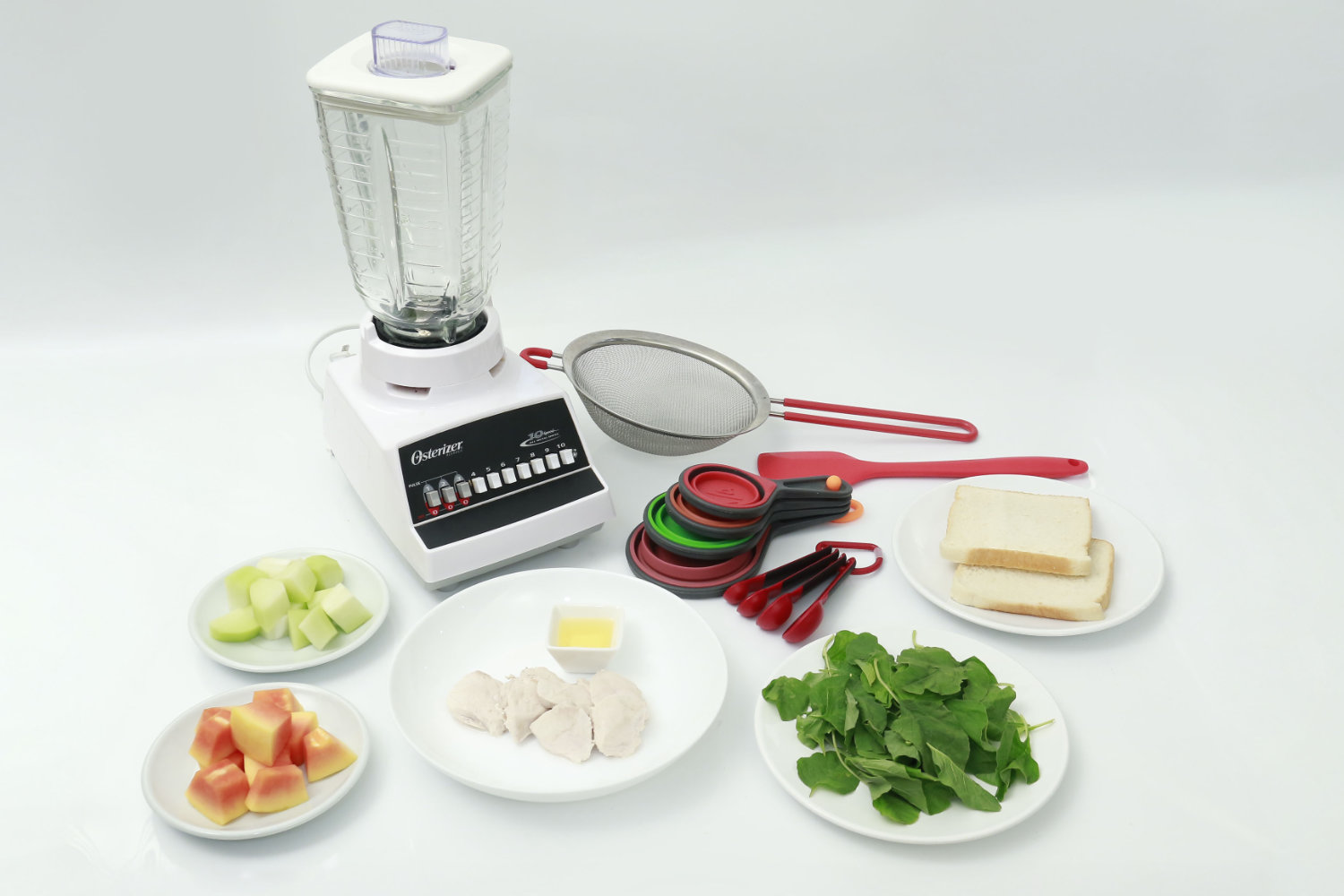
A common misconception is that any blended meal can be poured into a feeding tube. This can be risky.
Tube feeding requires attention to:
- Nutrient balance, not just energy intake
- Food safety and sanitation
- Proper texture and viscosity to avoid tube blockage
- Digestibility and tolerance
Improvised or poorly prepared blends can lead to infections, gastrointestinal discomfort, or nutrient deficiencies.
The role of complete nutrition
The body needs a balance of carbohydrates, protein, fats, vitamins, and minerals to maintain strength, immunity, and healing. Tube-fed patients are often already vulnerable due to illness, surgery, or neurological conditions.
Without proper formulation, tube feeding may result in:
- Muscle loss from inadequate protein
- Poor wound healing
- Weakened immune response
- Electrolyte imbalances
Therapeutic tube feeding ensures nutrients are provided in the right amounts and ratios.
Texture, thickness, and safety matter
One of the most critical aspects of tube feeding is consistency.
Meals must be:
- Smooth enough to pass through the tube safely
- Thick enough to prevent separation
- Free from particles that can clog equipment
Consistency is not guesswork. It requires standardized preparation methods and quality control.
Digestive tolerance is different for every patient
Tube-fed individuals may experience:
- Bloating or gas
- Diarrhea or constipation
- Delayed gastric emptying
A dietitian adjusts formulas based on how the patient responds, not just on calorie targets. This personalization reduces discomfort and improves nutrient absorption.
Medical conditions change nutritional needs
Tube feeding plans must consider:
- Diabetes and blood sugar control
- Kidney disease and mineral restrictions
- Stroke or neurological conditions affecting digestion
- Cancer and increased protein requirements
Using a generic feeding approach can worsen symptoms or slow recovery.
Monitoring and follow-up are essential
Tube feeding is not a “set and forget” solution.
Ongoing monitoring allows for:
- Adjustments in nutrient composition
- Changes in feeding volume or schedule
- Early detection of intolerance or deficiencies
This is why dietitian-led care is essential for long-term success.
The caregiver’s role and support
Caregivers often manage tube feeding at home. Clear guidance, proper training, and accessible support make a significant difference in outcomes.
When caregivers are supported, feeding becomes safer, more consistent, and less stressful.
The key takeaway
Tube feeding is about supporting the whole body, not just meeting calorie numbers.
When done correctly, it can:
- Maintain strength and muscle mass
- Support healing and recovery
- Improve comfort and quality of life
Professional planning ensures tube feeding remains a tool for recovery, not a source of additional complications.