
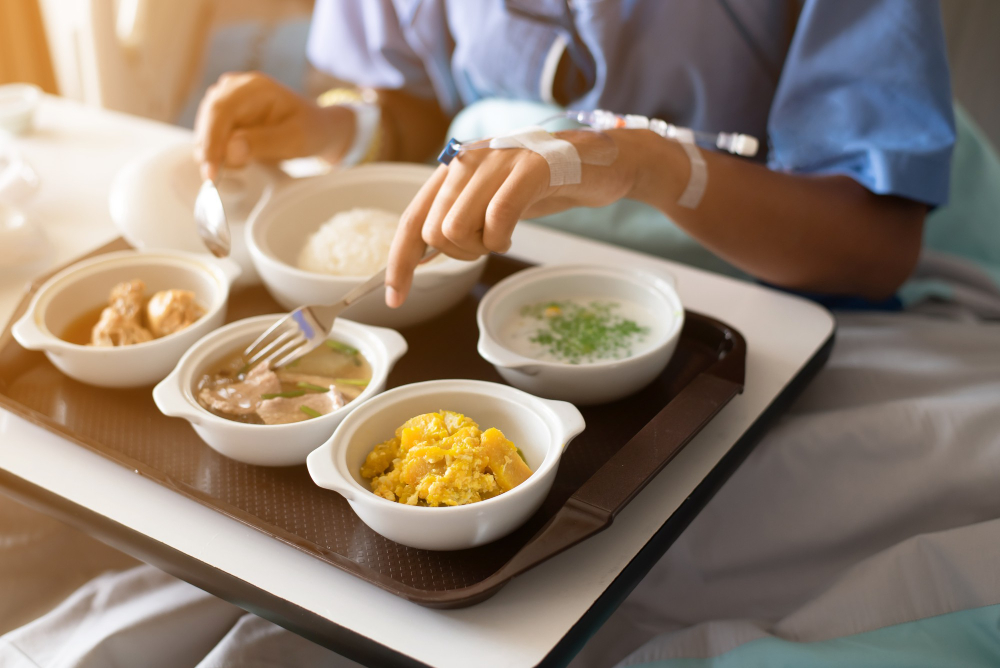
Surgery places significant stress on the body. While rest and medication are essential, recovery is also heavily influenced by what you eat after the procedure. Nutrition is not just supportive care. It is part of the healing process.
Eating too little, eating the wrong foods, or delaying proper nutrition can slow recovery and increase the risk of complications.
Why nutrition matters after surgery
After surgery, the body shifts into repair mode. Tissues need rebuilding, inflammation must be controlled, and the immune system has to stay strong to prevent infection.
Without adequate nutrition, patients may experience:
- Delayed wound healing
- Increased risk of infection
- Loss of muscle mass and strength
- Prolonged fatigue
Food provides the building blocks for recovery.
Protein is critical for healing
Protein plays a central role in tissue repair, immune function, and muscle maintenance. Post-surgical patients often require more protein than usual.
Inadequate protein intake can lead to:
- Poor wound closure
- Muscle loss
- Slower return to mobility
Protein needs must be adjusted based on the type of surgery, body size, and recovery phase.
Calories support recovery, not weight gain
Many patients eat too little after surgery due to poor appetite, nausea, or fear of weight gain. This can be counterproductive.
Calories provide energy for:
- Tissue regeneration
- Immune response
- Daily movement and rehabilitation
The goal is not overeating, but providing enough energy to support healing.
Micronutrients make a difference
Vitamins and minerals are often overlooked but play key roles in recovery.
Examples include:
- Vitamin C for wound healing
- Zinc for immune function
- Iron for oxygen transport and energy
Deficiencies can slow recovery even when calorie intake seems adequate.
Texture and tolerance matter
After surgery, especially abdominal or neurological procedures, patients may struggle with chewing, swallowing, or digestion.
Nutrition plans may need:
- Soft or modified textures
- Smaller, more frequent meals
- Easily digestible foods
For some patients, therapeutic meal planning or temporary tube feeding may be necessary.
Common mistakes during recovery
Post-surgical nutrition often fails because:
- Meals are skipped due to low appetite
- Food choices lack protein and nutrients
- Advice is generic and not tailored to the patient
- Recovery needs change but meals do not
These issues are preventable with proper guidance.
Individual needs change over time
Nutritional needs evolve from hospital discharge to full recovery. What works in the first week may not be enough a month later.
Regular assessment allows nutrition plans to adapt as healing progresses.
The bottom line
Surgery does not end in the operating room. Recovery continues at home, and nutrition plays a major role in how fast and how well the body heals.
A structured, personalized nutrition plan helps patients regain strength, reduce complications, and return to daily life with better outcomes.